Hungry ‘burbs': Could urban agriculture be the answer to the energy-food-water nexus?
‘Let's take a drive, through the sprawl, through these towns they built to change’ – Arcade Fire, The Suburbs, 2010
I’m sure others who work in the urban planning sector got excited when Arcade Fire, a Canadian indie rock group, wrote a few chart-topping hits that mused about the benefits and drawbacks of urban sprawl. Maybe it was just me.
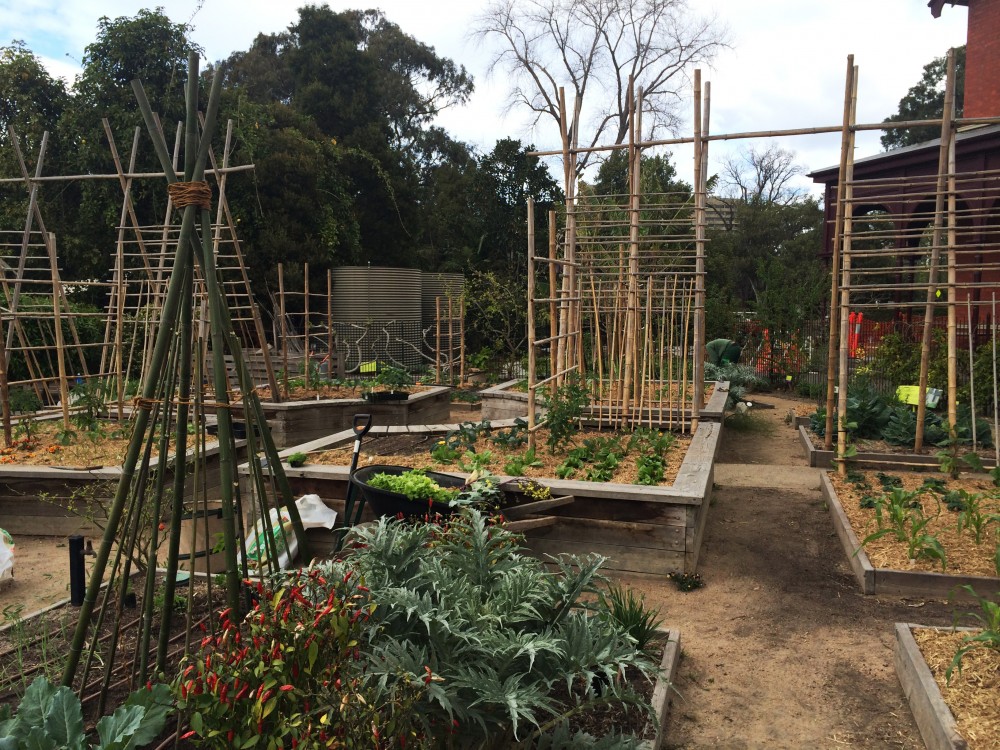
Anyway, I’m taking it as just one of many signs that urban design is becoming more of a part of an everyday conversation for the general populous. Communities are demanding more influence on the look and function of the urban environment, and local food is perhaps one of the most interesting movements affecting urban design. The restaurant industry has been celebrating local produce for a while now, but in the neighbourhoods, gardening seems to have come into fashion with a younger generation – no longer a private pastime, urban food is becoming the centre of social networks in cities. From shared community gardens, to food-swapping websites, to free coffees at the local café in exchange for your bumper crop of lemons. However, finding space to grow your own is becoming more challenging as our cities get more and more developed, so the solutions are becoming more inventive – reclaiming roadside verges as garden space or secret rooftop oases and edible walls.
So what does all this have to do with energy and water issues? Well, we think there could be a lot of potential to solve some big resource problems through taking a serious look at urban agriculture. The energy relationship is pretty simple. A lot of energy goes into producing, processing and transporting food, before urban consumers then create a lot of food waste to be sent away and disposed of, using yet more fuel. So urban agriculture cuts down transport, but perhaps more importantly it gives us urban dwellers a more personal connection to food. This means we might not be so fussy if our apple isn’t the perfect shape and colour, so we can use much more of the crop.
The water connections excite me the most but they have been a little left out of the conversation to date. Generally, you’d be right to think of Australia as dry and water starved – but big Australian cities actually have too much water and we struggle to get rid of it. As rain falls on the perfect concrete basins we call cities, we capture an awful lot of it in our stormwater drains and send it rushing out into our waterways (giving them about six times more than what they are used to). Then there is all the water we pump in from faraway reservoirs to wash our clothes and flush our toilets and then send out again in our sewers. The abundance of excess stormwater and wastewater in urban areas is a big problem for our creeks and coasts, but a potential winner for urban agriculture. We have worked hard to try to use these alternative water sources to water our gardens and irrigate local ovals, but we need more and more local demands to make local water supplies work. Urban farms are a perfect candidate – needing water, and potentially loving the higher nutrient loads in alternative water sources like these.
The urban fringe is perhaps the best place to start to make the big moves, overlapping urban and rural functions instead of keeping them apart. Melbourne is growing fast, and its northern and western edges are spreading further into the hinterland. Here, peri-urban farming can form a mutually beneficial relationship with urban water management, using local stormwater and wastewater sources for irrigation. Taking all the benefits into account, some of our recent projects are showing this is already viable proposition in some areas. Perhaps ‘the sprawl’ of today will be a new urban design proposition for tomorrow, an opportunity to create a modern day Hanging Garden of Babylon that brings the wonder of urban agriculture amongst our city.
If you're in Brisbane next week, check out the Food Selfies Event here to discuss the opportunities and challenges for urban agriculture.
- Celeste Morgan, E2Designlab