E2DESIGNLAB
  • Home
  • About
  • Services
  • Partners
  • Projects
  • Team
  • Blog
  • Contact
  • Twitter
  • Linked In
  • Email
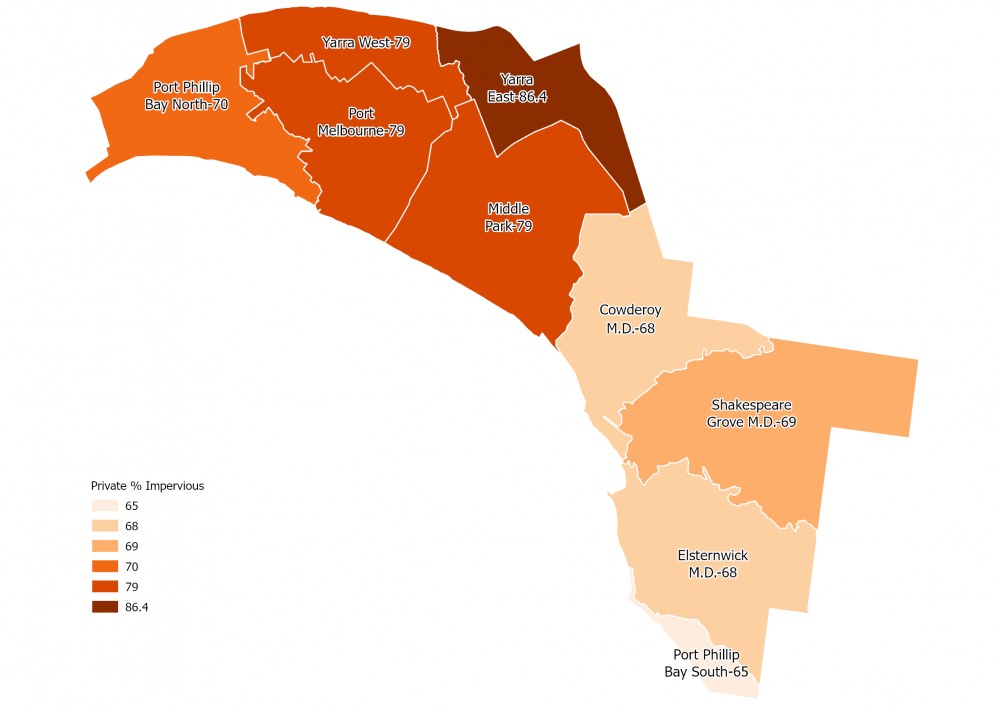
Private_Impervious_Fraction_SubCatchment_08092021
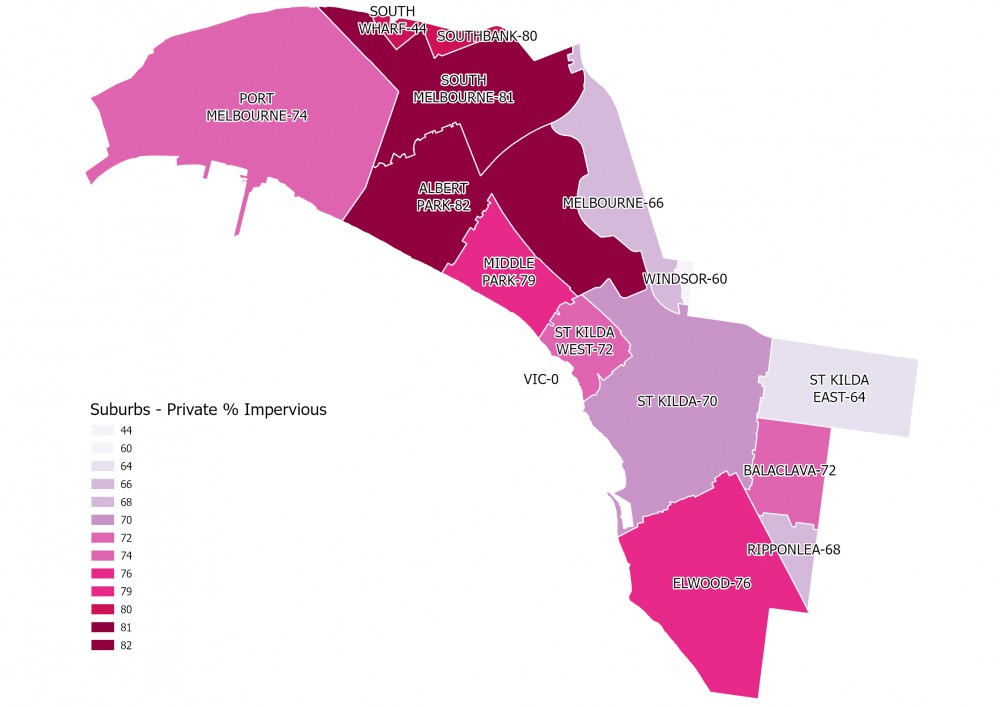
Private_Impervious_Fraction_Suburbs_08092021
Green Infrastructure & Healthy Landscapes
Enhancing Permeability

Increasing Catchment Permeability Framework

City of Port Phillip

E2Designlab partnered with Spatial Vision to establish a permeability baseline across the City of Port Phillip and materials to help support permeability responses within council.

The baseline assessment involved using a combination of council streetscape mapping and Melbourne Water impervious surface data to create a detailed map of impervious surfaces across the municipality. Permeability percentages were calculated for each of the City's nine sub-catchments (further broken down into public and private land ownership). These were used as a baseline to track progress towards a permeability target.  The following material was developed to support the uptake of permeability within routine council streetscape works:

  • a catalogue of suggested permeability responses detailing critical design features and advice for common areas of concern.
  • a dynamic framework to assist decision making around which permeability response to pursue under different circumstances.
  • a permeability calculator that determines the impact of permeability responses.
  • a tool for tracking progress towards municipal and sub-catchment permeability targets.
  • recommendations for permeability targets.
Waterway Restoration

Restoring the Waters - Restoration of Clear Paddock Creek

Integrated Green - Blue Infrastructure Initiatives

Ballarat Green-Blue Infrastructure Action Plan

Waterbody Improvement

Water Body and Wetland Asset Management Plans

Re-Establishing Soil Moisture

Napier Park Red Gum Stormwater Irrigation

Holistic Waterway Corridor Enhancement

Slacks Creek Future’s Study

Passively Irrigated Street Trees

Healthy Trees Delivering Stormwater Outcomes

Wetland Management

Ecological Assets and WSUD Condition Audit and Management Plans

Economic Benefits of Green Infrastructure

Living Brooklyn

Wetlands and Waterbody Improvement

Geelong Wetlands and Waterbody Asset Audit

Integrated Waterway Planning

Bundamba Creek Corridor Plan

Small-Scale Green Infrastructure Benefits

Green Infrastructure Guidance for Industry for Onsite Stormwater Retention

Waterbody and Habitat Health

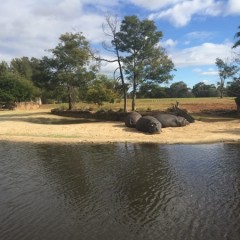
Werribee Open Range Zoo Water for Wildlife

Best Practice Toolkit

The Embedding Green Infrastructure Best Practice Toolkit

Passive Irrigation Guidance

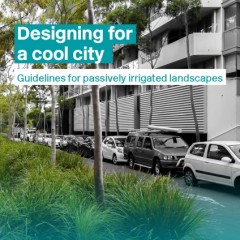
Designing for a Cool City – National Guidelines for Self-Watering Landscapes

Sustainable Open Space Irrigation

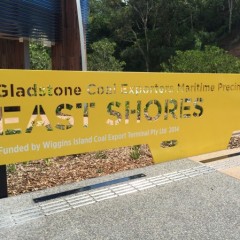
Gladstone East Shores Parklands Large-Scale Wicking Bed